
YouTube Channel Views vs Recent Video Views: Compare the Right Numbers
A creator has 2.4 million channel views, but the latest three uploads show only 18,000 between them. Is that a warning sign? Not by itself. You are comparing an accumulated channel total with a tiny slice of its content. Before judging the channel, put each number beside the question it can actually answer.
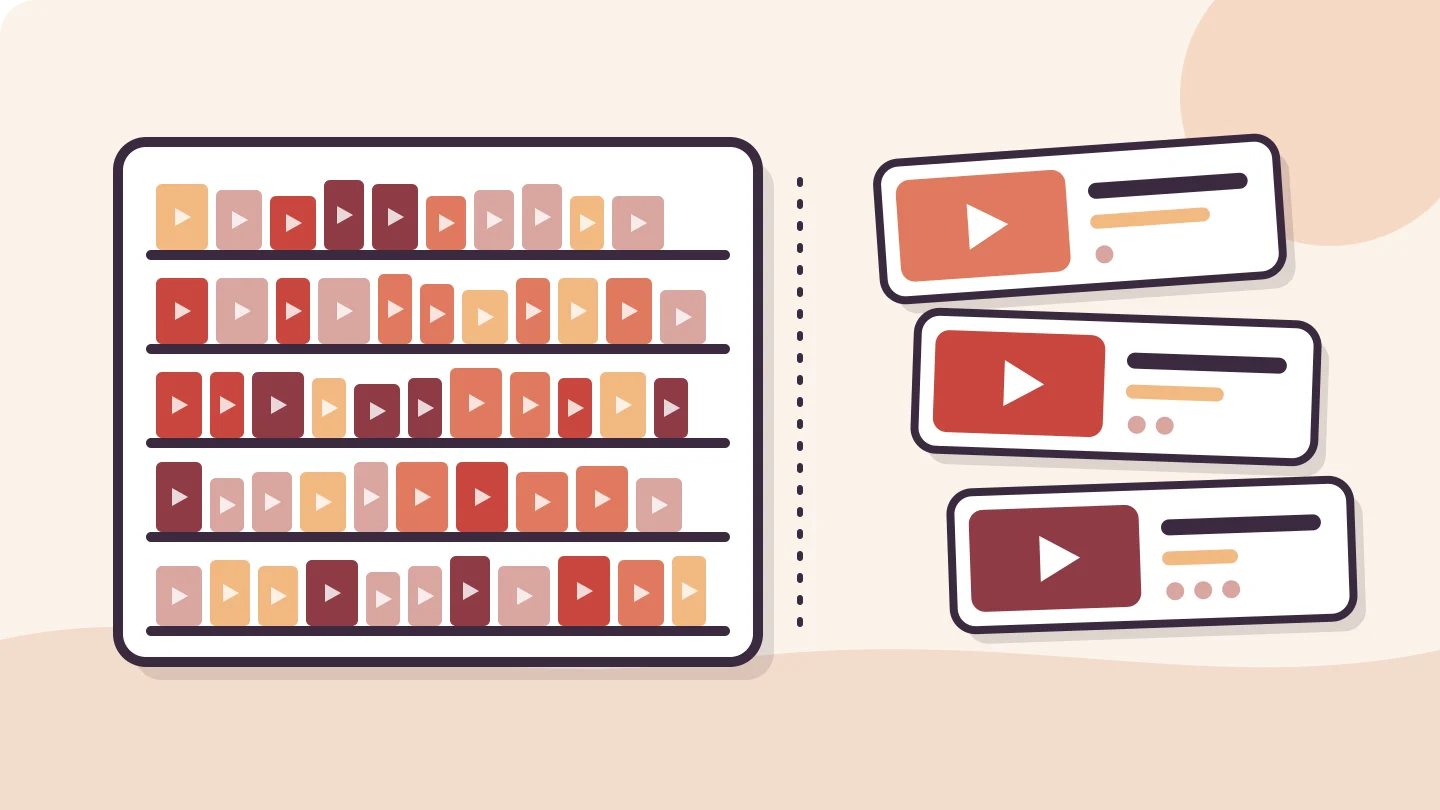
Two numbers, two different questions
YouTube documents channel viewCount as a combined count across a channel’s video formats. A video viewCount belongs to one video. Neither field, read on its own, tells you how many views arrived during a particular calendar month.[1][2]
| Number | Useful question | What it cannot establish |
|---|---|---|
| Reported channel views | How much viewing has accumulated across the channel? | Expected views on the next upload |
| Views on selected recent uploads | How have these particular videos performed so far? | Views earned by the whole channel this month |
| Dated owner performance report | What happened during the selected reporting period? | Guaranteed results for a future campaign |
For a potential collaboration, the channel total is background. The more practical starting point is content similar to what you want the creator to make. An old hit can remain part of the total even when the current editorial direction is different. That possibility is worth investigating, not treating as evidence of a problem.
A complete comparison using three uploads
Imagine a channel with 2,400,000 reported total views. You record three recent long-form videos on the same day. Each covers a similar topic, but they have been available for different lengths of time.
| Upload | Age when checked | Views observed |
|---|---|---|
| Video A | 7 days | 4,000 |
| Video B | 14 days | 6,000 |
| Video C | 21 days | 8,000 |
Views observed on the three example uploads
Counts recorded on one day at different video ages; not a benchmark.
The older uploads show higher counts, but they have also had longer to accumulate views.
Original teaching example from the table above.
Show exact figures
| Item | Detail | Views |
|---|---|---|
| Video A | 7 days old | 4,000 |
| Video B | 14 days old | 6,000 |
| Video C | 21 days old | 8,000 |
| Sample mean | 6,000 |
The sample sum is 4,000 + 6,000 + 8,000 = 18,000 views. The arithmetic mean is 18,000 ÷ 3 = 6,000 views per sampled upload. That description is accurate. “This channel gets 6,000 views in its first week” is not: only Video A was checked at seven days.
Likewise, 18,000 is not a count of distinct people. Someone could have watched multiple uploads. Nor does it establish the channel’s monthly views: older videos may also have received views during the month, while these counters cover each selected video’s accumulated viewing.
Make the sample fairer before making a decision
- Match the format. Assess long-form videos separately from Shorts or live broadcasts when the proposed work is long-form.
- Match the subject. A product tutorial is a better comparison for another tutorial than an unrelated announcement.
- Match the observation age. Compare the first seven days with the first seven days, rather than a week-old upload with a month-old one.
- Record the selection rule. Keep all videos that qualify, including weaker ones, instead of choosing the three strongest.
These are comparison choices, not a promise that matching them removes every difference. Packaging, audience interest and publication timing can still vary. A three-video sample is a starting point for questions, not enough to diagnose why one creator performed differently.
If you need a first-seven-day comparison, ask the owner for an appropriately dated report, or collect future observations at the same video age. Do not divide today’s views by days since publication and present that average as the actual daily pattern: viewing need not arrive evenly.
Consider a simple choice: one candidate has a much larger accumulated total, while another publishes regularly about the exact subject of your proposed video. The first number does not settle which is a better fit. Read the recent titles, watch relevant examples and check whether the requested deliverable resembles them. If neither candidate has comparable work, say so. You can still discuss a small, clearly scoped test, but you should not describe a public channel counter as proof of likely sales. Views and purchases are different outcomes, and this snapshot does not connect the two.
When one upload has no available count
Suppose the middle video’s count is unavailable. You now have 4,000, unknown and 8,000. The known counts sum to 12,000, and their mean is 12,000 ÷ 2 = 6,000 across two measured videos. You do not have a complete three-video total.
Use a public check to decide what to ask next
The BulkFollows Tools YouTube checker provides a public channel snapshot and up to three recent uploads with available figures. It is useful for a quick first look, not a replacement for the creator’s private performance reports. An upload sample is not the full catalog.
Open the YouTube subscriber checker
For a partnership decision, ask for the relevant reporting dates, comparable video results and audience information the creator is comfortable sharing. YouTube Studio provides channel and video reports; its Advanced Mode supports deeper comparisons and exports. Request an export or screenshot, not the creator’s password.[3]
Keep your final note short: channel identity, observation date, selected video URLs, format, upload ages, available counts and unresolved questions. The goal is not to find the biggest-looking number. It is to avoid paying for a conclusion the evidence never supported.
Sources & further reading
Sources checked 17 Nov 2026. Examples and review checklists are editorial guidance.
- Channels resource: statistics YouTube Data API documentation · Source checked 17 November 2026
- Videos resource: statistics YouTube Data API documentation · Source checked 17 November 2026
- Get started with YouTube Insights YouTube Help · Source checked 17 November 2026
Another perspective

How to Analyze a YouTube Channel Beyond Subscriber Count
Learn how to analyze a YouTube channel using subscribers, recent videos and typical views, with a saved MrBeast example, charts and a practical checklist.

YouTube Shorts views vs engaged views: what to compare
A replay, a continued view and a unique viewer answer different questions. Keep the definitions beside the numbers.

Can a public profile snapshot show follower growth?
A current total is not a timeline. Learn what two observations can show, and what even a calculated increase cannot prove.